
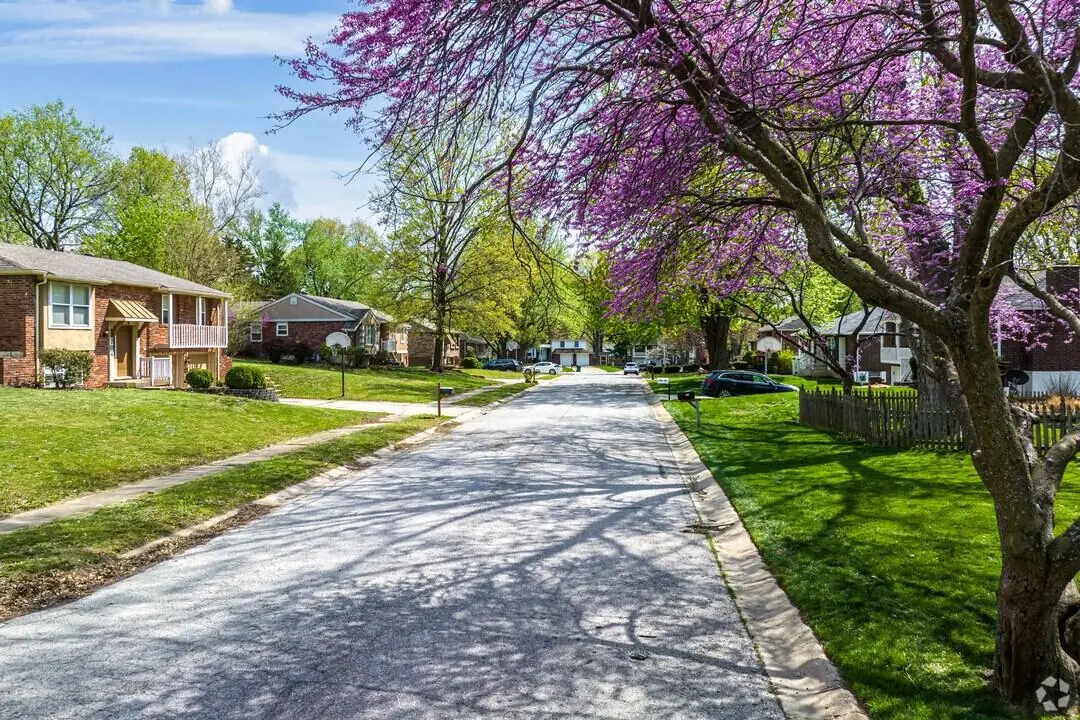
Mold removal in Blue Springs
Mold Removal Blue Springs, MO
When mold shows up in a Blue Springs home, the useful questions come before any cleanup: where did the moisture come from, which materials soaked it up, and is the visible patch the whole problem or just the part you can see? Our mold removal Blue Springs service answers those questions first. Clear Air KC works through those questions first, then tells you whether the situation calls for targeted removal, broader remediation or water damage work.
Tell us what you’re looking at. Working out what it is comes later, and that part is our job.
Found Mold in Your Blue Springs Home? Here’s the First Step
Look for the water before you look at the mold. Growth follows moisture, so the priority is finding out whether a leak, seepage or humidity is still feeding it. Don’t assume the spot you can see is the full extent, and avoid scrubbing or cutting into a large or hidden area, which can spread particles. If materials are still wet, deal with the water and drying first. When the source or extent isn’t clear, a professional assessment helps, and visible mold doesn’t automatically need a lab test.
- Find the moisture source
- Don’t judge by the visible patch
- Leave large or hidden growth alone
- Dry wet materials first
- Get an assessment when unclear
- Test only for a specific question
Water first
Why Moisture Can Become a Bigger Problem Than the Visible Mold
A patch of mold is usually a symptom. The real issue is the water that made the material damp, and water rarely stays where it first lands. Rain that should run off a roof, down a driveway and into the street can end up against a foundation instead.
Storm sewers and street inlets are designed to carry runoff away. When an inlet is choked with leaves and debris, or a heavy storm simply overwhelms the system, water can back up across streets and yards. Around a house, the same thing happens on a smaller scale with clogged gutters, short downspouts or soil that slopes toward the foundation.
None of this means every Blue Springs property takes on water. It does mean that a damp lower level after a storm deserves a look at where the water traveled as well as the stain it left.
Roof and gutters
Overflowing gutters dump water right at the foundation.
Downspouts and grading
Short extensions or inward slopes let water pool near the walls.
Saturated ground
After heavy rain, soil around the house stays wet for days.
Foundation and basement
Water seeps through joints, cracks or the floor edge.
Lower level materials
Drywall, carpet pad and framing absorb it and stay damp.
Recurring dampness
Without a fix, the cycle repeats with every wet spell.
Different homes, different paths
Why Do Blue Springs Homes Have Such Different Moisture Paths?
Blue Springs has grown from a small town into one of the larger cities in Missouri, so its housing spans several decades of building practice: established neighborhoods, newer subdivisions, split levels, ranches with basements, and homes over crawl spaces. The same musty smell can trace back to very different sources.
Primary service
Mold Removal and Remediation in Blue Springs, MO
Mold tells you something about the building; cleaning the surface is only part of the job. The right level of work depends on what the moisture did and how far it reached.
Limited and understood
Mold removal
A small, bounded job: the cause is fixed, the patch is defined, and readings show it stops there.
Larger or uncertain
Mold remediation
Containment, filtered air and careful removal for growth that is large, hidden or tied to repeated water. The aim is to resolve the condition, not only to remove what is visible.
How the Work Fits Together
- Identify the moisture
- Determine affected materials
- Establish the extent
- Prepare the work area
- Contain where appropriate
- HEPA filtration where appropriate
- Clean or remove affected material
- Dry the materials
- Address the source
- Check the final condition
On the ground
Mold and Moisture Situations We May See in Blue Springs
Situations can include the following. Each one starts differently.
Basement
Dampness after heavy rain
What you may notice. Darker concrete at the base of walls, a damp carpet edge, a smell that is worse after storms.
What’s going on. Water may be moving through the soil and foundation rather than coming from plumbing.
Sensible first step. Map where readings are high and walk the outside drainage before any removal.
Crawl space
Crawl space moisture
What you may notice. A musty smell in the rooms above, sagging or damp insulation, darkened joists.
What’s going on. Ground moisture and humid air can keep framing damp with no single leak to blame.
Sensible first step. Check the vapor barrier, venting and any standing water alongside the wood itself.
Plumbing
Mold after a plumbing leak
What you may notice. A spot under a sink or behind a toilet or washer.
What’s going on. The visible growth may be small while water traveled along framing or under flooring.
Sensible first step. Confirm the repair, then measure moisture beyond the obvious spot.
Hidden
Musty smell, no visible mold
What you may notice. A smell you can’t trace, often in one room or level.
What’s going on. Hidden moisture matters, but opening walls on a guess can cause more damage than it solves.
Sensible first step. Take readings and review the room’s water history before cutting anything open.
Recurring
Mold that keeps returning
What you may notice. Spots that come back after cleaning, often in the same season.
What’s going on. Recurrence points to an unresolved driver: a slow leak, condensation or humidity.
Sensible first step. Find and control the driver; repeat cleaning alone won’t hold.
Exterior
Water at a lower wall
What you may notice. Staining or efflorescence on a basement wall, wet soil outside.
What’s going on. Water against the foundation from gutters, downspouts or grading is pressing in.
Sensible first step. Correct the outside water path and dry the wall before deciding on remediation.
Water damage restoration
Water Damage Restoration in Blue Springs, MO
Water damage restoration in Blue Springs usually means a lower level: a split level family room, a finished basement or a utility room where the water heater lives. Clear Air KC takes those calls 24/7.
The city grew from under 7,000 people in 1970 to about 60,000, so a large share of its homes date from the 1970s through the 2000s, and many have sump pits that only get tested when a storm knocks the power out. Add frozen lines in exterior walls and tired washer hoses, and you have most of our Blue Springs water calls. We pull out the water, remove carpet pad and drywall only where readings say they won’t dry, and run equipment with daily checks until the lower level is back to normal.
- Shut off water and power to the wet area
- Extract water from floors, carpet and pad
- Dry the structure with readings each day
- Check for mold before walls and floors go back in
For the full drying process, read about water damage restoration on our main service page.
Start here
Which Situation Sounds Closest to Yours?
“There’s visible growth.”
Mold removal sized to the problem
The plan targets the materials that are growing it and the water that started it.
Next step: Confirm the source and extent, then size the work to match.
Our mold removal approach“The downstairs smells off, but nothing shows.”
Moisture tracing, then removal
The cause is hidden, so readings and observation come before any opening or removal.
Next step: Locate the moisture first.
How we find hidden moisture“Water is still present, or the property was recently wet.”
Water extraction and drying
Wet materials have to be dried before mold questions can be answered properly.
Next step: Stop the water, extract it and dry the structure.
Water damage restorationA Moisture First Approach for Blue Springs Properties
Clear Air KC treats the visible symptom as the start of the investigation, not the answer. That shapes every recommendation.
- The visible patch is not always the whole problem
- Scope matches the actual conditions
- Moisture is part of every assessment
- Testing only when it answers something
- No demolition the evidence doesn’t support
- The source gets fixed along with the stain
- Recommendations explained before work begins
- Honest about what remains uncertain
Calling us
What Happens When You Call Clear Air KC
Tell us what you noticed
A stain, a smell, damp flooring or growth you can see.
Explain where it is
Basement, crawl space, bathroom, attic or a particular wall.
Share what happened with water
Any leak, storm, backup or repair, and roughly when.
Discuss the sensible next step
Sometimes that is advice you can act on yourself.
Assess the property when appropriate
A visit when the situation calls for one.
See our full process for the detailed version.
Discuss what you’re seeing
A short conversation is usually enough to tell whether you are dealing with a cleaning job, a moisture problem or water damage.
Call (816) 476-3053Local context
Understanding Blue Springs’ Water and Property Context
- Named for its waterEarly settlers stopped here for the clean water of a spring on the Little Blue River, which gave Blue Springs its name.
- A large eastern Jackson County cityBlue Springs sits on Interstate 70, less than half an hour from downtown Kansas City, and is among the ten largest cities in Missouri.
- Decades of growthThe city grew from fewer than 7,000 residents in 1970 to roughly 60,000 today, so its homes span many building eras.
- Water reaches homes in many waysA single dramatic flood is only one route. Drainage, grading, roof runoff, plumbing and recurring humidity cause localized problems too.
Evidence before work
What Do We Check Before Recommending Work?
Moisture
Located, measured, and checked for an ongoing leak.
Materials
What got wet and how each material responds.
Extent
How far the condition reaches, visible or not.
Source and history
What caused it and whether it has happened before.
Depending on the job, documentation may include moisture readings, observations, photos, the scope of work, the work performed and drying logs for any water damage. Not every job produces every item, so ask what you’ll receive before work starts.
Standards: our Blue Springs work is guided by two industry documents: ANSI/IICRC S520, the Standard for Professional Mold Remediation, and ANSI/IICRC S500, the Standard for Professional Water Damage Restoration. You can read more about Clear Air KC.
Serving Blue Springs and Eastern Jackson County
Blue Springs homeowners, landlords and property managers can reach us directly. Mention your ZIP code when you contact Clear Air KC and we’ll confirm coverage.
- Blue Springs
- Independence
- Lee’s Summit
- Raytown
- Kansas City, MO
Ready to talk through the problem?
Not Sure What the Property Needs?
Describe the spot, the room and any leak or flood behind it. We’ll help you pick a sensible first step. Other city pages: Overland Park, Shawnee and Independence; the areas we serve page has the full list.