
Mold removal in Independence
Mold Removal Independence, MO
Finding mold in an Independence basement, bathroom, crawl space or wall usually raises two questions before any talk of cleanup: what made that spot wet, and how far does the problem go? Our mold removal Independence, MO service answers both before any work is planned. Clear Air KC looks at the visible growth, the moisture behind it and the materials involved, then explains what the property actually needs, whether that is targeted removal, full remediation or simply fixing the water first.
You can describe what you’re seeing without knowing the technical name for it.
What Should You Do If You Find Mold in Your Independence Home?
Stay calm and look for the water. Mold grows where materials stay damp, so the first job is working out whether the moisture is active, recurring or already resolved. Avoid scrubbing or tearing into a large or hidden patch, which can spread particles. If the source or the size of the problem is unclear, a professional assessment can sort that out. Visible mold does not automatically need a lab test; what it needs is the moisture fixed and the affected material handled properly.
- Don’t panic
- Find the moisture source
- Leave larger or hidden growth undisturbed
- Get an assessment if the extent is unclear
- Test only when it answers a real question
Local context
Why Mold Problems Can Look Different in Independence Homes
Independence has a wide mix of housing, from established neighborhoods with older homes to newer subdivisions, apartments and rentals. The same musty smell can come from very different places depending on how and when a building was put together, so the moisture problem behind it tends to show up in different ways.
Below grade spaces
Basements can take on water after heavy rain, and finished walls can hide dampness that never shows on the surface.
Crawl spaces
Exposed soil and limited airflow can keep framing and subfloor damp for long stretches, especially through humid months.
Plumbing and HVAC
Slow leaks under sinks, behind appliances or at condensate lines wet materials quietly until a stain or smell appears.
Roof and exterior paths
Water entering at flashing, windows or siding can travel inside a wall before it surfaces somewhere unexpected.
Condensation and recurring humidity matter too, and growth that keeps coming back usually means the original source was never fully addressed.
Start with the water
Moisture Matters More Than the Mold Color
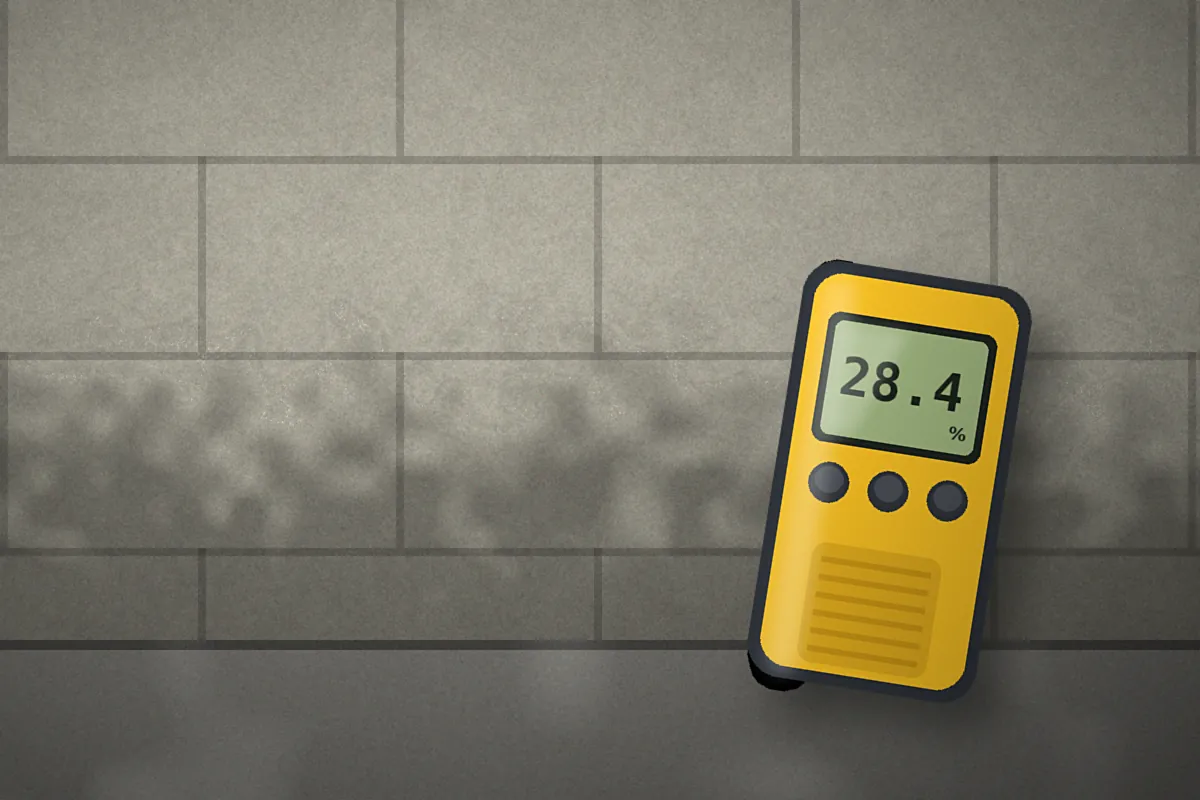
Green, black or white, the color of growth says little about what to do next. The useful questions are about water:
Questions worth answering first
- Where is the moisture coming from?
- Is it active, past or recurring?
- How far has it traveled?
- Which building materials are affected?
- Could there be moisture you can’t see?
- Has growth returned after earlier cleaning?
- Did it follow a leak, flood or other water event?
The city maps the areas where flooding is most likely, and it also points out that localized flooding can happen on higher ground, away from the mapped flood zones. That doesn’t mean every Independence home is at risk; it means a wet basement after a storm deserves a real explanation, wherever the house sits.
Primary service
Mold Removal and Remediation in Independence, MO
The two terms are often used interchangeably, but they describe different levels of work. Which one fits depends on the conditions inside the property, not on a standard package.
Smaller, contained situations
Mold removal
Cleaning or cutting out a defined patch when the leak is already fixed and nothing points to spread beyond it.
Larger or less certain situations
Mold remediation
The full, contained process for bigger, hidden or repeat growth, where the materials and the water history call for more control. It is about managing the whole condition, not simply killing visible growth.
What a sound approach takes into account
- Moisture source
- Affected materials
- Affected area
- Hidden extent
- Containment where appropriate
- HEPA filtration
- Cleaning or removal
- Drying
- Source control
- Final condition check
Real situations
Common Mold Situations We May See in Independence
Situations can include the following. Each one points to a different first step.
Basement moisture after heavy rain
- You may notice
- Damp carpet edges, a musty lower level, staining low on walls.
- What makes it different
- Water may be arriving from outside through the foundation or from rising groundwater, not from plumbing.
- Sensible first step
- Map where the wall and floor are wet and check drainage before deciding on any removal.
Mold after a plumbing leak
- You may notice
- Spots or swelling near a sink, toilet, water heater or appliance.
- What makes it different
- The source is usually easy to name, but water can run along framing and wet more than the visible area.
- Sensible first step
- Confirm the leak is fixed, then measure how far moisture spread.
Crawl space dampness
- You may notice
- A musty smell upstairs, damp insulation or growth on joists.
- What makes it different
- Ground moisture and humid air can keep wood damp without any single leak.
- Sensible first step
- Look at ground cover, drainage and ventilation alongside the growth itself.
Musty odor with no visible source
- You may notice
- A persistent smell in one room or level, nothing obvious to see.
- What makes it different
- The source is probably hidden behind a finished surface or in a closet.
- Sensible first step
- Meter readings plus the story of past leaks, before any wall is cut.
Mold returning after cleaning
- You may notice
- Spots back in the same place weeks or months later.
- What makes it different
- Cleaning removed the growth but not the condition that caused it.
- Sensible first step
- Identify the moisture driver, whether leak, condensation or humidity, and fix that first.
Moisture behind finished walls
- You may notice
- Bubbling paint, soft drywall, a baseboard that stays cool or damp.
- What makes it different
- Finished surfaces can hide wet framing and insulation for a long time.
- Sensible first step
- Measure moisture through the wall and decide what needs opening, not open everything.
Water damage restoration
Water Damage Restoration in Independence, MO
For water damage restoration in Independence, the job is to get water out and the structure dry before it turns into a mold problem. Clear Air KC answers 24/7 for flooded basements, burst pipes and appliance leaks across the city.
Independence has a lot of older housing, including homes around the Truman Heritage District with stone or block foundations and plumbing that has been repaired many times. Those basements take on water from spring rain, failed sump pumps and pipes that split in a hard freeze. We remove standing water, take out soaked materials only where readings show they can’t be dried, and keep drying equipment running with daily checks. Plaster, old framing and stone walls dry differently from new drywall, so the readings decide when the job is done, not the calendar.
- Stop the source and keep people out of wet rooms with power
- Extract standing water and map how far it spread
- Dry with dehumidifiers and air movers, checked every day
- Look for mold once materials read dry, then repair
Our main water damage restoration page explains extraction, drying equipment and readings.
Find your starting point
Which Problem Sounds Most Like Yours?
“I can see mold on a wall, ceiling or floor.”
Likely path
Mold removal or remediation
The next step is confirming the moisture source and the extent, then sizing the work to match.
About mold removal and remediation“Something smells musty, or there’s moisture I can’t explain.”
Likely path
Moisture tracing on the first visit
Readings narrow down where moisture is and whether growth is present before anything is opened.
What the first visit involves“Water is coming in now, or the basement just flooded.”
Likely path
Water extraction and drying
Stop the water, remove it and dry the structure first; mold questions come after.
Water damage restorationWhat to expect
What the First Visit Can Look Like
Understand what happened
What you noticed, when, and any water events.
Look at the affected area
The visible condition and the space around it.
Evaluate moisture and materials
Readings show what is wet and what it’s made of.
Explain the findings
What is known, what is uncertain and why.
Decide the next step
Matched to the actual condition, including when less work is enough.
See how the full process works, from the first call through the final check.
A Practical Approach for Independence Properties
- No preset remediation package
- The conditions decide the scope
- Moisture is part of every plan
- Evidence comes before recommending work
- Drying is confirmed with readings, not by eye
- Recommendations match what was actually found
Learn more about Clear Air KC and how we work.
Older and Historic Properties Need a Different Look at Moisture
Independence has a long architectural history, including the Truman Heritage District and many individually recognized historic properties. Established neighborhoods such as Truman, South Main and North Main include homes built long before modern drainage, vapor control and plumbing practices.
That doesn’t make an older home more likely to have mold. It means the materials, wall assemblies and past repairs can differ from newer construction, so tracing where moisture comes from may depend on understanding how the building was put together and what has been changed over the years.
Evidence first
What We Look At Before Recommending Work
Moisture
Its source, its spread, and whether water is still arriving.
Materials
Drywall, wood, insulation and flooring respond differently.
Affected area
How large the condition is and where its edges are.
Source and history
Leaks, floods, past repairs and recurring patterns.
Depending on the job, documentation may include the following. Not every project produces every item, so ask what you will receive before work begins.
- Moisture readings
- Observations
- Photos
- Scope of work
- Work performed
- Drying logs for any water damage
ANSI/IICRC S520Standard for Professional Mold Remediation
ANSI/IICRC S500Standard for Professional Water Damage Restoration
These two industry standards shape how we contain, clean and dry every Independence job.
Service area
Serving Independence and the Eastern Kansas City Metro
Owners, landlords and property managers across Independence and the rest of eastern Jackson County call us. Include the ZIP code when you contact Clear Air KC and we’ll confirm coverage. Neighboring cities with their own pages: Overland Park, Shawnee and Blue Springs; and the service area overview lists the rest.
- Independence
- Blue Springs
- Lee’s Summit
- Raytown
- Kansas City, MO
Need to talk it through?
Not Sure What the Problem Requires?
You do not need to diagnose the property yourself. Tell Clear Air KC what you are seeing, where it is located and whether water or moisture has been involved. The conversation can help determine the most sensible next step.